Importing through the port of Cotonou: securing your goods from purchase to delivery
The port of Cotonou is Benin's main maritime gateway and also serves neighbouring landlocked countries. An import passing through it is secured step by step, well before the vessel arrives.
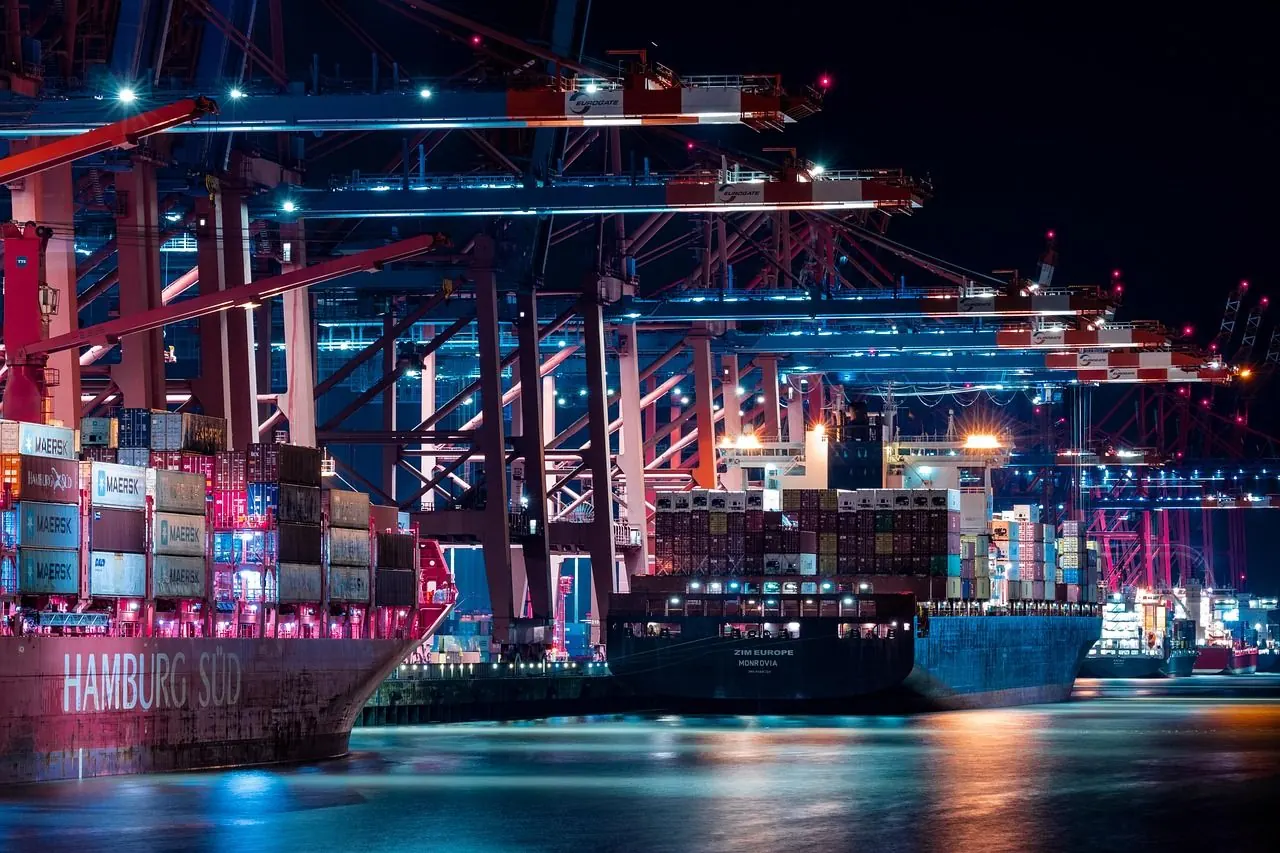
Before shipment: secure the purchase
- Verify the supplier and its bank account before paying.
- Agree the Incoterm clearly (who pays for and bears what, and up to which point).
- Have the goods inspected and, where possible, supervise container loading.
The documents you need
Inconsistencies between these documents are a frequent cause of delays and extra costs: check them before the goods arrive.
- The bill of lading, which lets you collect the goods.
- The commercial invoice and the packing list.
- The certificate of origin and, depending on the products, sanitary, phytosanitary or conformity certificates.
On arrival at the port
Customs clearance is generally handled by a licensed customs broker. Plan for the timelines and follow progress: every day the goods stay at the port can generate costs.
On exit, check that the goods comply: do they match what was loaded at departure? This is when substitution or loss is detected.
Through to final delivery
Road transport, to a city in Benin or a neighbouring country, is still a step to watch. Supervision through to the delivery point reduces the risk of loss and diversion.
Frequently asked questions
Which documents are needed to import into Benin?
At least the bill of lading, commercial invoice, packing list and certificate of origin, plus any specific certificates required by the nature of the products.
How can I avoid delays at the port of Cotonou?
Prepare consistent documents before arrival, choose a reliable customs broker and follow each customs step.
Does SecureFlow work at the port of Cotonou?
Yes. SecureFlow is headquartered in Cotonou: we supervise port operations and check documentation and cargo compliance through to final delivery.